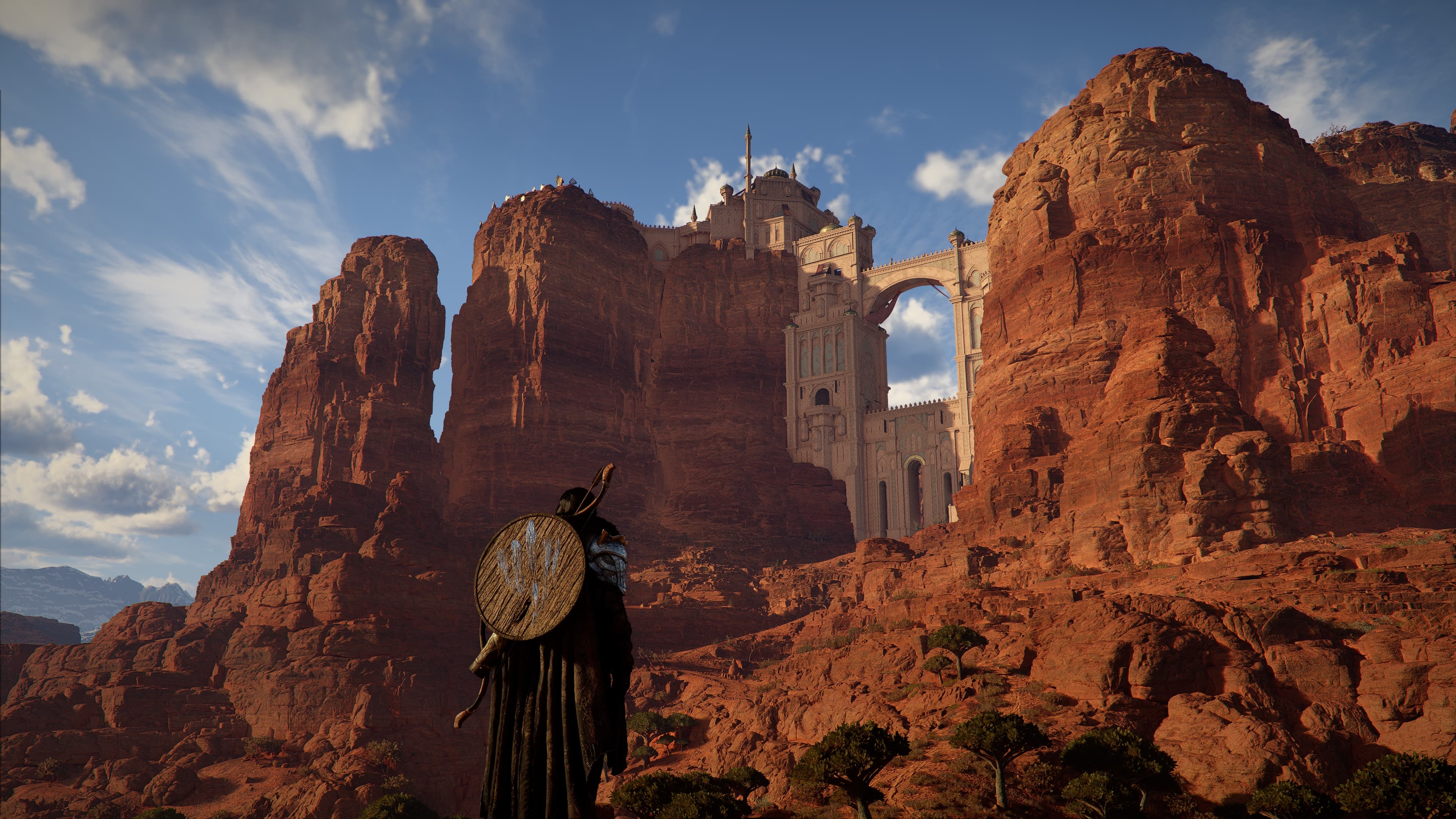
When the Physics Click
There are games that let you interact with the environment. There are games where the environment is the game. Crimson Desert is the second type. We once watched a fight spiral from a one-on-one sword duel into a cavalry charge when our battle woke up a nearby mercenary camp, which then collapsed a watchtower onto the road, which blocked the cavalry, which caused a traffic jam of horsemen that we proceeded to absolutely ruin with a barrel we'd been rolling uphill for reasons we've since forgotten. None of this was scripted. That's the point.
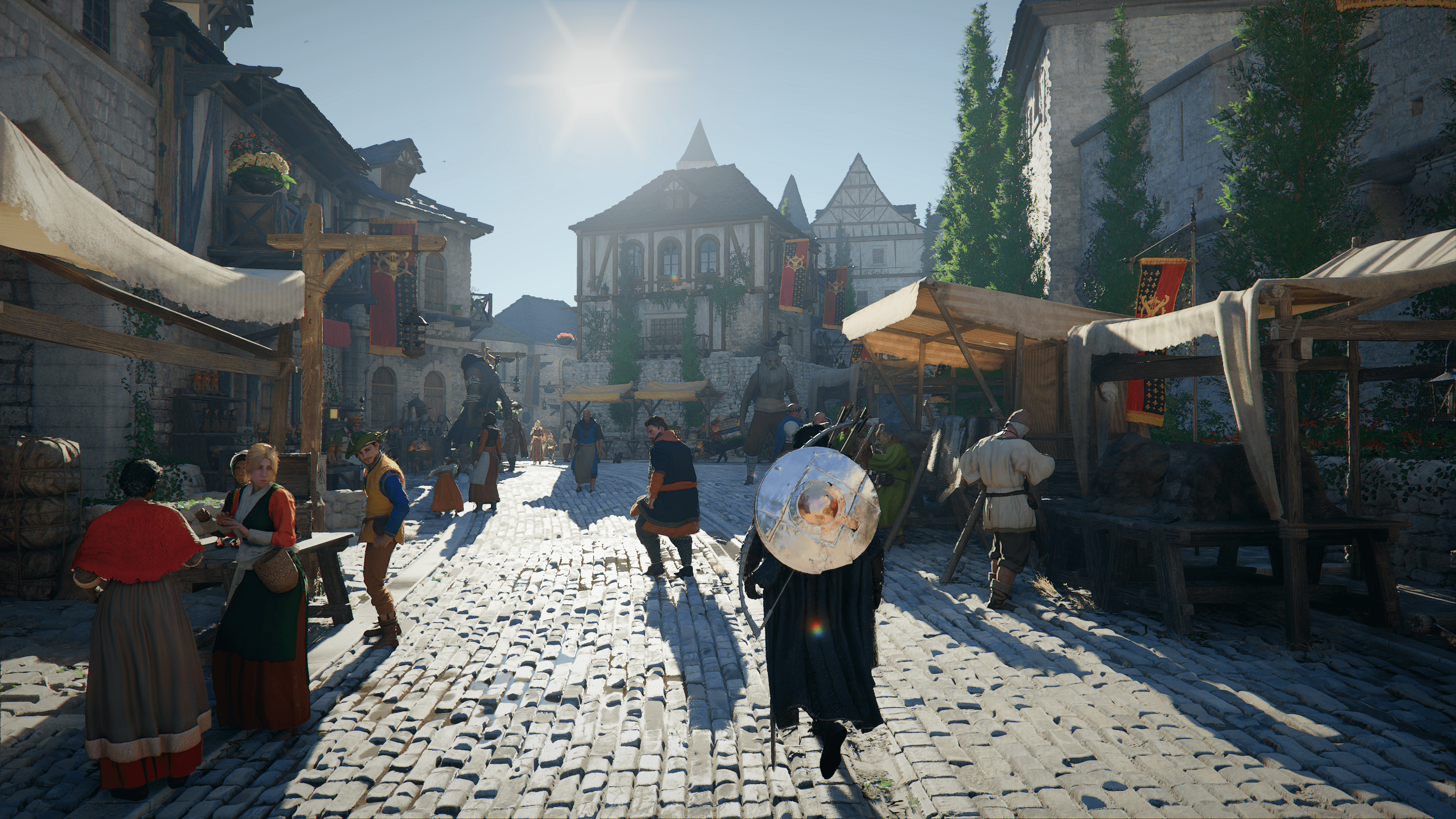
A World in Motion
Pearl Abyss didn't build a pretty backdrop. They built a system. Every mercenary group has territory and patrol routes. The weather changes combat conditions, fighting in rain makes footing treacherous and certain fire-based attacks useless. Factions remember you, or at least remember your reputation. It's the kind of world design that makes exploration genuinely exciting because you don't know what you'll disturb when you poke at something. That sense of consequence, real cause and effect in an open world, is rarer than it should be.